
Termites: Silent Destroyers and How to Save Your Home (with VPC)
Termites can be like silent destroyers, munching away at the very foundation of your home without you even realizing it. The speed at which they cause damage depends on several factors, but one thing’s for certain – early detection and intervention are crucial.
How Quickly Can Termites Destroy Your Home?
When people think about threats to their home, they often imagine storms, floods, or fires. But there’s another danger that works quietly out of sight—termites. These tiny insects may be small, but they can cause surprising amounts of damage in a short period of time.
Understanding the Threat
Termites feed on cellulose, a main component of wood. This means anything made of timber in your home—beams, floors, door frames, even furniture—can be on the menu. Unlike other pests, termites work around the clock. They don’t sleep, and they don’t take weekends off. Once they have access to wood, they keep eating.
How Fast Do They Work?
The speed at which termites cause damage depends on factors like the size of the colony, the species involved, and how quickly they find a food source.
-
Small colonies may take years to cause major structural problems.
-
Large colonies, especially of aggressive species like Formosan termites, can chew through significant wood sections in just a few months.
In some cases, a home can suffer thousands of dollars’ worth of damage in under a year. The challenge is that termites usually eat from the inside out. By the time you see visible signs—like hollow-sounding wood or bubbling paint—the damage is often already extensive.
Why Early Detection Matters
Termite damage is rarely covered by home insurance because it’s considered preventable with regular maintenance. This makes early detection essential. Annual termite inspections by a professional can reveal activity before it turns into a serious problem.
Signs You Might Have Termites
While professionals have the tools to detect termites more accurately, you can watch for a few warning signs:
-
Mud tubes on walls or foundations
-
Wood that sounds hollow when tapped
-
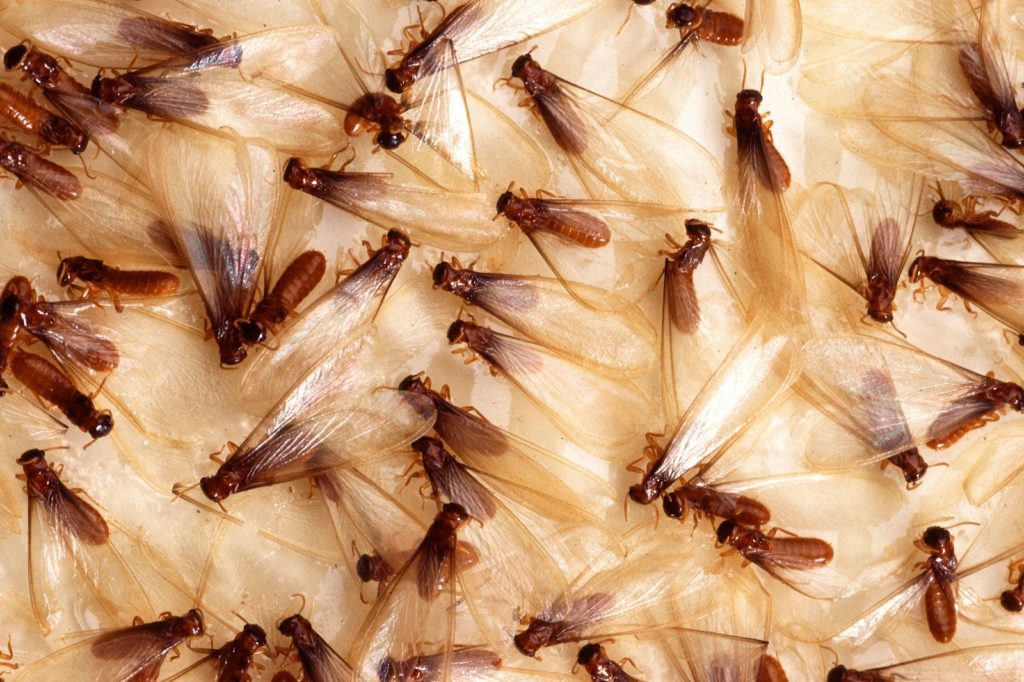
Piles of discarded wings near windowsills
-
Paint that appears cracked or blistered
If you notice any of these, it’s time to act quickly.
Protecting Your Home
The best approach is prevention. Keep soil and mulch away from direct contact with wooden parts of your home, reduce excess moisture around the foundation, and store firewood away from the house. Most importantly, schedule regular inspections from a licensed pest control service.
While a single termite won’t do significant damage overnight, termite colonies can number in the hundreds of thousands. Here’s a breakdown of how quickly things can escalate:
- A Growing Threat: A mature colony can consume a significant amount of wood each year. Estimates suggest a colony of 60,000 termites can eat a square foot of lumber in a month!
- Species Matters: Subterranean termites, the most common culprits, can cause substantial damage in a few years if left unchecked. Aggressive Formosan termites can wreak havoc even faster.
- The Infestation’s Extent: Early detection means minimal damage. The longer an infestation goes unnoticed, the greater the potential for structural problems.
The bottom line? Termites pose a serious threat to your home’s stability. Here’s a general timeframe to consider (remembering it can vary):
- Early Catch: Limited damage after a few years, if caught early.
- Untreated Infestation: Subterranean termites could cause significant structural damage in 5-6 years, while Formosan termites might do it much faster. Drywood termites are slower but still problematic over time.
Don’t Wait Until It’s Too Late: Take Action with Vermin Pest Control (VPC)
Early detection is key. But how do you spot termites before they’ve caused major damage? Here are some signs to watch out for:
- Mud Tubes: These shelter tubes created by subterranean termites can be a giveaway of their presence.
- Discarded Wings: Seeing shed termite wings near windows or doors might indicate a swarming event, a sign of a mature colony.
- Hollow-sounding Wood: Tapping on wood that sounds hollow could indicate termite activity within.
- Frass (Wood Pellets): The presence of tiny wood pellets near potential entry points can be a red flag.
If you suspect termites, don’t hesitate! Contact Vermin Pest Control (VPC) today for a thorough termite inspection. Our experienced professionals will:
- Identify the type of termite infestation
- Assess the extent of the damage
- Develop a customized treatment plan
- Implement safe and effective termite control methods
- Offer preventative measures to minimize the risk of future infestations
Protect Your Investment and Your Peace of Mind
Your home is a significant investment. Don’t let termites become a silent threat. At VPC, we offer comprehensive termite control services to safeguard your home and your peace of mind.
Contact us today for a free consultation and quote! We’re here to help you keep your home safe from these destructive pests.
Add Comment