
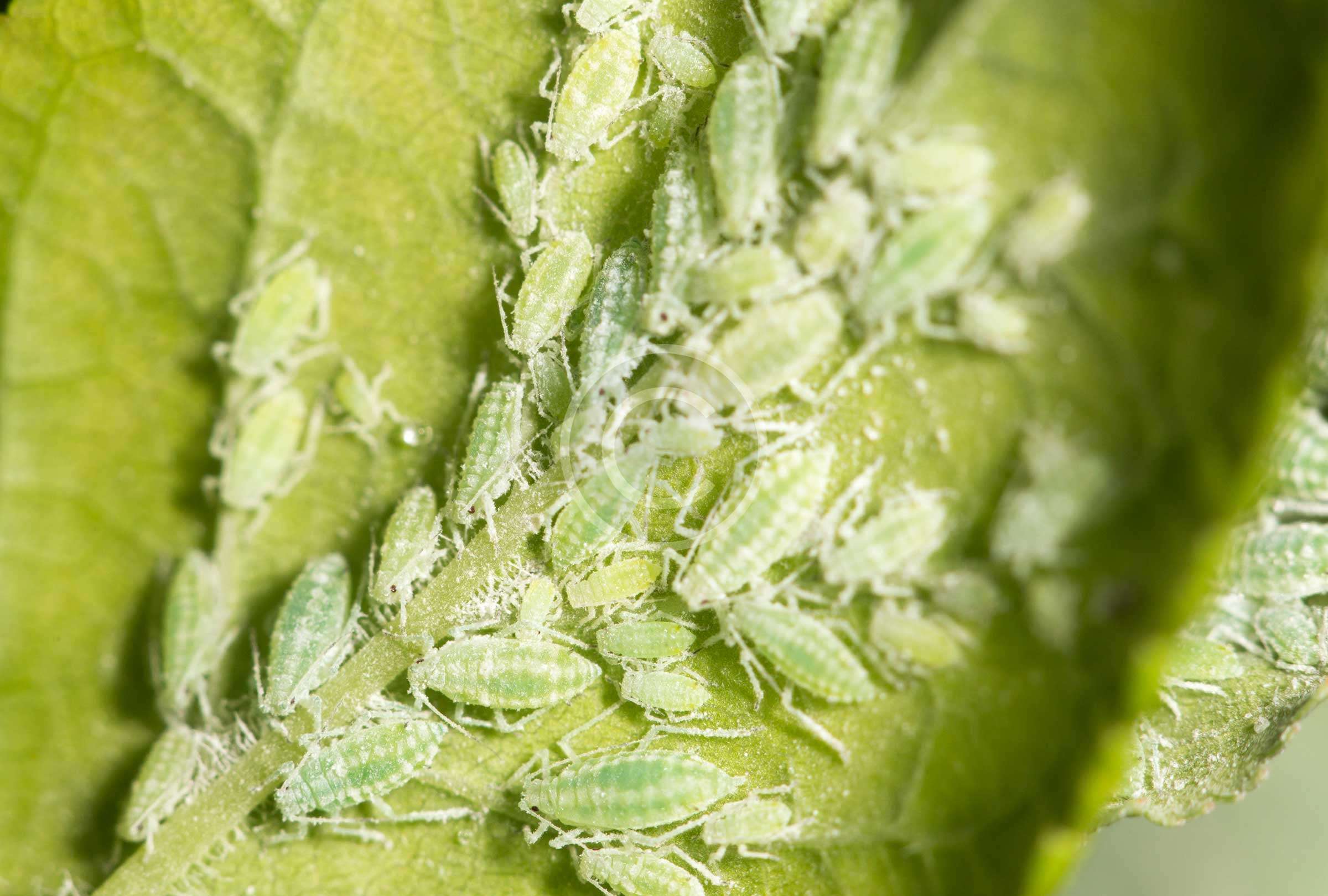
Insects are more than just a nuisance—they can spread serious and sometimes life-threatening diseases. Understanding which insects carry which diseases can help you take steps to protect yourself and your family.
1. Mosquitoes
Mosquitoes are among the deadliest creatures in the world because they can transmit many dangerous diseases, including:
-
Malaria – Caused by parasites, common in tropical and subtropical regions.
-
Dengue Fever – Viral infection causing high fever, severe aches, and in some cases, internal bleeding.
-
Zika Virus – Linked to birth defects in newborns.
-
West Nile Virus – Can cause neurological issues in severe cases.
-
Chikungunya – Causes severe joint pain and fever.
2. Ticks
Ticks attach to the skin and feed on blood, transmitting bacteria and viruses that cause:
-
Lyme Disease – Leads to fatigue, joint pain, and neurological issues if untreated.
-
Rocky Mountain Spotted Fever – Causes fever, rash, and muscle pain; can be fatal without treatment.
-
Tick-borne Encephalitis – Affects the brain and nervous system.
3. Fleas
Fleas can jump from pets to humans and transmit:
-
Plague – Caused by Yersinia pestis bacteria (historic outbreaks, still present in rare cases).
-
Murine Typhus – Causes fever, chills, and rash.
-
Cat Scratch Disease – Spread indirectly via flea-infected cats.
4. Flies
Certain fly species carry diseases through direct contact or contaminated food:
-
Cholera – Severe diarrheal illness caused by contaminated food or water.
-
Dysentery – Causes severe intestinal infection.
-
Onchocerciasis (River Blindness) – Spread by blackflies in some regions.
5. Sandflies
Sandflies transmit:
-
Leishmaniasis – Causes skin sores and, in severe cases, affects internal organs.
6. Kissing Bugs
These insects can spread:
-
Chagas Disease – A potentially life-threatening illness affecting the heart and digestive system.
7. Lice
Head lice, body lice, and pubic lice can cause:
-
Typhus – Associated with crowded and unhygienic living conditions.
-
Trench Fever – Causes recurrent fever and body aches.
8. Bedbugs (Note: More of a nuisance than a disease vector)
While bedbugs don’t typically spread diseases, their bites can cause allergic reactions, skin irritation, and secondary infections from scratching.
How to Reduce the Risk of Insect-Borne Diseases
-
Use insect repellents and protective clothing outdoors
-
Keep windows and doors screened
-
Eliminate standing water to prevent mosquito breeding
-
Maintain regular pest control treatments for your home and yard
Add Comment